Precision Engineering
Meets Financial Strategy.

Advanced cost management, project delivery, and infrastructure development solutions engineered for the African landscape.

Showing posts with label Contracts. Show all posts

Wednesday, October 30, 2024

Builders Build, Designers Design: Why the Grenfell Report Calls for an End to Design and Build Contracts

 Tony Bingham’s argument here is a clear, scathing critique of the Design and Build (D&B) contract model and the Grenfell inquiry’s findings expose it vividly. Bingham makes a case that builders—especially subcontractors and what he calls "putter-uppers"—should not be burdened with design responsibilities they aren’t trained for. The heart of his point? Builders build; designers design.



The Grenfell report, specifically Volume 4, Part 6, breaks down the cascade of failures from architects to subcontractors, highlighting how performance obligations were misplaced in the hands of builders ill-equipped for design. Contractors and subcontractors may handle “installation” like pros, but when asked to design, interpret regulations, or ensure safety standards, many stumble. Grenfell’s inquiry committee reportedly found the main contractor shockingly casual in addressing fire safety and regulatory obligations. They labeled the contractor’s approach as “incompetent,” from managing the design to understanding fire safety regulations, particularly Document B (approved guidance for fire safety).

Bingham’s message is blunt: the design responsibilities should be left to the professionals who carry relevant qualifications. In his view, the Design and Build model’s failure lies in placing design and safety expectations on contractors who are, fundamentally, experts in assembly—not architecture or engineering.

The Fundamental Argument: Builders are Builders, Not Designers

Bingham’s issue with D&B contracts is that they effectively force contractors to take on a “leader of the orchestra” role—outsourcing, coordinating, and even designing aspects of construction they’re not equipped to handle. Subcontractors in many cases begin “on the tools,” with hands-on, practical knowledge. But as they grow and are asked to handle both “design and install,” they find themselves navigating waters meant for qualified professionals.

As for his call to action, Bingham doesn’t just say it’s a mistake; he urges the Joint Contracts Tribunal (JCT) to ban D&B contracts entirely in honor of the 72 lives lost in the Grenfell fire. He suggests scrapping the Design and Build model in favor of contracts that make a clear division between design and assembly.

Who Should Design? The Qualified, Not the Qualified-by-Experience

His critique extends to the broader industry practice of placing design obligations onto subcontractors. Without professional design qualifications, subcontractors are unprepared to shoulder full responsibility for safety and specifications, leading to tragic oversights. A return to the “nominated subcontractor” model might be better, where designers liaise with experienced builders without asking them to make design-based decisions. This would, Bingham argues, allow everyone to stick to what they know best.

In sum, Bingham paints a harsh but clear picture: the D&B model, as applied, diffuses responsibility so much that it’s become a “cover” for companies to offload safety and design responsibilities, often with catastrophic results. Grenfell's tragic lesson, in his eyes, is simple—let the professionals design, and let the builders build.
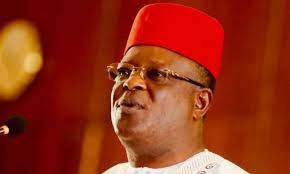
Nigeria's Road Revolution: Minister David Umahi Terminates Long-Delayed Contracts, Demands Accountability and Results

 In a bold move to tackle Nigeria's infrastructure challenges, the Minister of Works, David Umahi, has terminated several long-standing road contracts nationwide, many of which have been mired in delays for nearly two decades. This shakeup comes as part of his commitment to fast-track road completion and cut through the prolonged bureaucratic red tape that has often stymied progress in the sector.

During a press conference in Abuja, Umahi expressed frustration with the slow pace of certain projects, confirming that over 10 contracts have been terminated according to established due process. While he withheld specifics on which contracts were affected, the minister did emphasize that many of these contracts date back 17 to 20 years, describing the terminations as essential to finally moving forward.


A Closer Look at the Road Contracts in Limbo

The Abuja-Kaduna-Kano highway project, a vital artery in Nigeria's transport infrastructure, was spotlighted. The project, awarded to Julius Berger, has seen significant delays. Umahi issued a seven-day ultimatum for the contractor to resume work, emphasizing that failure to comply would trigger the termination process, with plans to bring in up to three alternative contractors through selective tendering. This no-nonsense approach signals a shift toward demanding accountability and results from contractors, especially on critical projects.

The Financials: A Heavy Price Tag

Umahi outlined the enormity of the work inherited by the current administration: 2,600 existing road projects and an additional 330 supplementary ones. To complete these, the minister estimated an astronomical N19 trillion would be required, a daunting figure given Nigeria's current economic constraints. The Ministry of Works now faces a balancing act of stretching limited resources to achieve maximum impact while ensuring projects adhere to strict deadlines.

Clashes and Calls for Accountability

Hon. Remi Oseni, Chairman of the House Committee on FERMA, publicly criticized Umahi’s handling of road maintenance, even suggesting the minister has failed in his responsibilities. Umahi, undeterred, threw down the gauntlet, inviting Oseni to an open debate to address the criticisms directly. This exchange illustrates the mounting political pressure and scrutiny facing the Ministry of Works as it aims to implement a more aggressive, results-driven strategy.

Implications and the Road Ahead

Umahi’s actions represent a new level of assertiveness in Nigeria’s approach to infrastructure development, focusing on efficiency and accountability. While the termination of contracts may be disruptive in the short term, it could also incentivize contractors to meet deadlines or face similar consequences. The ministry's tough stance could set a new standard, one that demands performance and prioritizes the completion of projects over entrenched interests and longstanding inefficiencies.

Takeaways

  1. Termination of Stalled Contracts: Over 10 long-delayed road projects terminated to push progress.
  2. Seven-Day Ultimatum for Julius Berger: High-stakes deadline for the contractor to restart work on the Abuja-Kaduna-Kano highway.
  3. Financial Challenge: Estimated N19 trillion needed to complete ongoing projects.
  4. Political Clash: Umahi challenges Hon. Remi Oseni to a public debate to address criticisms of his performance.

Quiz

  1. What prompted the termination of road contracts nationwide?
  2. Which major project is Julius Berger responsible for, and what ultimatum did they receive?
  3. How much funding is estimated to be necessary to complete all ongoing road projects?
  4. Who criticized Umahi’s performance, and how did Umahi respond?
  5. What impact could these terminations have on Nigeria’s infrastructure development?

Final Thoughts

With the stakes as high as they are, this could either be the shake-up Nigeria's road infrastructure needs or a test of the Ministry's ability to deliver against such odds. So, let's keep an eye on how this progresses—it's a potential game-changer.

Sunday, September 22, 2024

Discovering NGO Job Opportunities for Quantity Surveyors and Other Skill Levels

Are you a quantity surveyor looking to make a difference in the world? Or maybe you’re just curious about the various job opportunities available in the NGO sector? Well, you’re in the right place! Let’s dive into the exciting world of NGO jobs and explore how you can use your skills to contribute to meaningful causes.


A Little Background on NGOs

Non-Governmental Organizations (NGOs) have been around for quite some time. They first gained prominence in the mid-nineteenth century and have since become key players in development, human rights, and humanitarian efforts1. The term “NGO” became widely recognized with the establishment of the United Nations in 1945, which provided a consultative role for these organizations2. Over the years, NGOs have evolved to address various global issues, from anti-slavery movements to women’s suffrage and beyond3.


Quantity Surveyor Jobs in NGOs

As a quantity surveyor, your expertise in managing costs and contracts is invaluable, especially in the NGO sector. NGOs often undertake construction projects like building schools, hospitals, and community centers, where your skills can make a real impact. Here are some job opportunities you might find interesting:

  1. Quantity Surveyor at Spacefinish: Imagine working with Spacefinish, an organization near Nigeria, where you’ll manage project costs, prepare estimates, and ensure projects stay within budget. Sounds exciting, right?
  2. Quantity Surveyor at Desicon Engineering Limited: Another fantastic opportunity is with Desicon Engineering Limited, also near Nigeria. Your role would involve cost management, contract administration, and project planning. It’s a great way to put your skills to good use!


Other NGO Jobs for Various Skill Levels

But wait, there’s more! NGOs offer a wide range of job opportunities for individuals with different skill sets. Here are some examples:

  1. Program Officer at Africa Youth Growth Foundation: If you’re in Abuja, this full-time position might be perfect for you. You’ll manage programs, coordinate activities, and ensure the successful implementation of projects. It’s a rewarding role that lets you make a difference every day4.
  2. Consultant Development Programme at Oxford Policy Management: Also in Abuja, this full-time position is for a development consultant who will work on various projects, providing expertise and support to achieve project goals. It’s a fantastic opportunity to grow and learn5.
  3. Director, Policy & Partnerships (Government Affairs - Bilingual English & French Position) at NewGlobe: If you’re bilingual and based in Abuja, this role involves developing and managing policy initiatives, building partnerships, and advocating for the organization’s goals. It’s a chance to make a significant impact6!


Recent Developments and News

The NGO sector is constantly evolving. In recent years, there has been a significant focus on collaboration between nonprofits to address pressing global issues like climate change and human rights4. Additionally, the use of artificial intelligence (AI) is becoming more prevalent, helping NGOs amplify their efforts and impact4. The funding environment is also changing, with many organizations diversifying their revenue sources and adapting to new challenges5.


Future Prospects

Looking ahead, the future of NGOs is bright and full of potential. Here are some trends and predictions for the sector:

  1. Increased Collaboration: NGOs will continue to collaborate more closely to tackle complex issues and create a stronger social sector4.
  2. Growing Role of Community-Based Organizations: These organizations will play a key role in engaging communities and advocating for their interests4.
  3. Adoption of Sustainable Business Models: NGOs will focus on sustainable practices and impact investment to ensure long-term success7.
  4. Technological Innovation: The use of AI and other technologies will continue to transform the sector, making it more efficient and effective4.


Freelance and Remote Opportunities

For those who prefer flexible work arrangements, there are freelance and remote opportunities available in the NGO sector:

  1. Freelance Cost Estimator: As a freelance cost estimator, you can work on various projects, providing precise cost assessments essential for successful project planning. It’s a great way to work on your terms.
  2. Virtual Project Manager: Oversee construction projects remotely, ensuring they meet their milestones and budgetary goals efficiently. It’s perfect for those who love managing projects from the comfort of their home.


Websites to Find More Opportunities

Looking for more opportunities? Here are some websites that can help you find NGO job opportunities for quantity surveyors and other skill levels:

  1. Indeed: Search for quantity surveyor jobs and other NGO positions online8.
  2. Entri: Find freelance quantity surveyor jobs on various platforms9.
  3. UNjobs: Explore jobs for quantity surveyors in NGOs.


NGOs offer a diverse range of job opportunities for quantity surveyors and other professionals. Whether you’re looking for full-time positions, freelance work, or remote opportunities, there are numerous options available. By leveraging online job platforms and staying informed about current openings, you can find a role that aligns with your skills and interests, allowing you to contribute to meaningful projects and make a positive impact on society.


4: Nonprofit Trends That Will Dominate 2024 5: 2023 CEO Insights on NGO Futures: Adapting in a Changing World 7: The Future of NGOs in India: Trends and Predictions 1: History and Development of Non-Governmental Organizations (NGOs) 2: Nongovernmental Organizations, Definition and History 3: The Emergence and Role of Nongovernmental Organizations